Water damage mitigation vs restoration: what is the difference
Mitigation stops the water and prevents further damage; restoration rebuilds what was damaged. Here is how the two phases differ in Palm Bay, Florida.
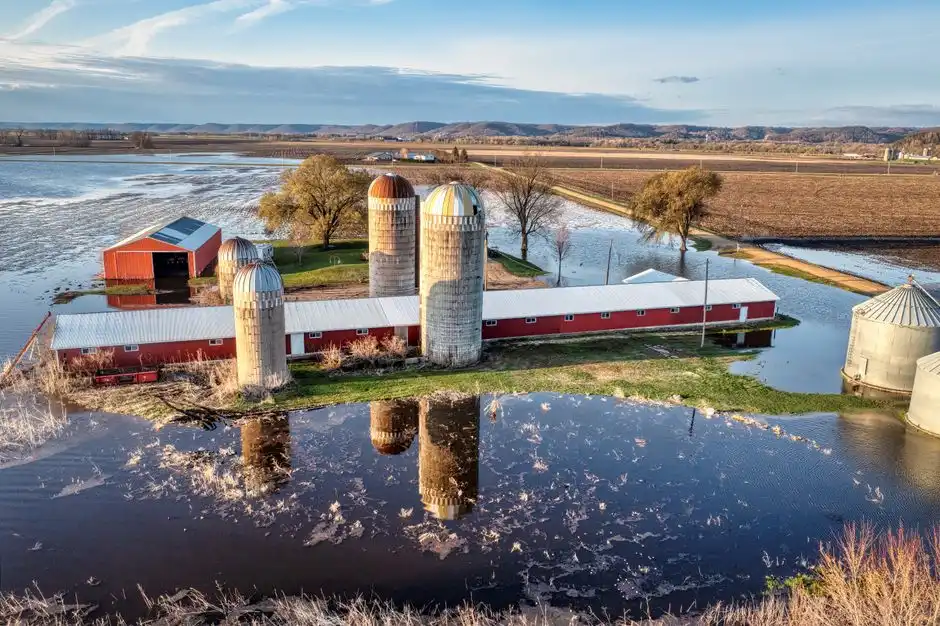
Water damage mitigation is the emergency phase that stops water from spreading and prevents further damage; restoration is the rebuild phase that returns your home to its pre-loss condition. In Palm Bay, Florida, mitigation typically happens in the first 24 to 48 hours, while restoration can take days or weeks depending on how far the water traveled. The rest of this post breaks down each phase, what insurance covers, and what 2026 pricing looks like so you can tell which service you actually need.
What is water damage mitigation?
Water damage mitigation is the emergency service that stops an active water problem and stabilizes your home. When a pipe bursts behind the washing machine or a supply line fails under the kitchen sink, mitigation crews extract standing water, dry the structure, and halt the spread of moisture into walls and floors.
Mitigation is not a repair. It is damage control. The goal is to prevent mold growth, wood rot, and structural failure while the source is being fixed. In Palm Bay's humid climate, mold can start colonizing wet drywall in as little as 24 to 48 hours, so the clock matters.
Typical mitigation tasks include:
- Locating and stopping the water source (or isolating it until a plumber arrives)
- Extracting standing water with truck-mounted or portable units
- Removing saturated carpet, padding, and drywall that cannot be saved
- Setting up industrial air movers and dehumidifiers to dry the structure
- Monitoring moisture levels daily until materials reach dry standard
If you have water actively spreading across a floor, our water damage mitigation Palm Bay FL team can be on-site to stop the damage before it reaches the next room.
What is water damage restoration?
Water damage restoration is the reconstruction phase that repairs or replaces everything the water damaged. Once mitigation has dried the structure and confirmed no moisture remains, restoration puts your home back together: new drywall, fresh paint, replaced flooring, and reinstalled fixtures.
Restoration is where the visible damage gets fixed. If a toilet overflow soaked through the subfloor, restoration replaces the subfloor and lays new tile. If a roof leak stained the ceiling, restoration cuts out the stained drywall, patches it, and repaints the ceiling to match.
Restoration work usually includes:
- Drywall repair or replacement
- Flooring installation (tile, vinyl plank, carpet, hardwood)
- Painting and texture matching
- Trim, baseboard, and cabinet repair
- Fixture reinstallation (toilets, sinks, vanities)
Restoration cannot begin until mitigation is complete. Starting repairs while framing is still wet traps moisture behind new drywall and guarantees a mold problem later. That is why the two phases are sequential, not optional.
The difference between water damage mitigation and restoration in Palm Bay
The difference between water damage mitigation and restoration in Palm Bay comes down to timing and purpose. Mitigation is urgent, protective, and stops the damage from getting worse. Restoration is scheduled, cosmetic, and returns your home to normal.
Think of it this way: mitigation is the fire department putting out the fire. Restoration is the contractor rebuilding the kitchen. Both are necessary, but they happen in a specific order and serve different goals.
Here is a quick comparison:
- Mitigation: emergency response, water extraction, drying, mold prevention, usually 1-5 days
- Restoration: repairs, replacements, finishing work, usually 1-4 weeks depending on scope
- Insurance: mitigation is almost always covered; restoration coverage depends on the cause and your policy
- Who does it: mitigation crews are IICRC-certified water technicians; restoration may involve carpenters, painters, and flooring installers
Many homeowners in Port Malabar Water Damage restoration call us thinking they need a full remodel when they actually just need mitigation and a small drywall patch. Knowing which phase you are in saves thousands.
Which comes first: mitigation or restoration?
Mitigation always comes first. You cannot restore a structure until it is dry, stable, and free of active moisture. Starting restoration before mitigation is finished is the single most common mistake we see, and it always leads to mold.
Here is the sequence:
- Stop the water source (plumber or mitigation crew)
- Extract standing water
- Remove unsalvageable materials
- Dry the structure with air movers and dehumidifiers
- Verify moisture levels with meters and thermal imaging
- Begin restoration repairs
Steps 1 through 5 are mitigation. Step 6 is restoration. If a contractor offers to start drywall work the same day they extracted water, that is a red flag. The structure is still wet.
We see this often in older Palm Bay neighborhoods where slab leaks go undetected for weeks. By the time a homeowner notices a hot spot on the floor, moisture has already wicked up into the walls. In those cases, mitigation takes longer because we are drying materials that have been wet far longer than the homeowner realized.
Does insurance cover mitigation or restoration in Palm Bay?
Most homeowner policies cover both mitigation and restoration when the water damage comes from a sudden, accidental event like a burst pipe, appliance failure, or toilet overflow. The key word is sudden. Gradual leaks that have been dripping for months are typically excluded.
In Palm Bay, we see three common coverage scenarios:
- Covered: burst supply line, failed water heater, toilet overflow, storm-driven rain intrusion through a damaged roof
- Sometimes covered: slab leaks (depends on whether the leak was sudden or gradual), AC condensate overflow (depends on maintenance history)
- Usually not covered: flooding from outside the home (requires separate flood insurance), long-term leaks, poor maintenance
Mitigation is almost always approved because it prevents further damage, which saves the insurance company money. Restoration is approved once the adjuster confirms the scope. If you are unsure whether your policy covers the damage, call us before you file. We document everything with photos and moisture readings, which makes the claim process smoother.
For flooding that originates outside your home, you need a separate policy. Our flood restoration services Palm Bay FL team handles both insurance-backed and out-of-pocket flood cleanup.
How much do mitigation and restoration cost in Palm Bay?
Typical 2026 pricing in Palm Bay runs $1,200 to $3,500 for mitigation on an average room and $2,000 to $12,000 for restoration, depending on how much material needs to be replaced. The total cost depends on the size of the affected area, the category of water, and how long the water sat before extraction.
Here is a rough breakdown:
- Emergency water extraction: $500-$1,500 for a single room
- Structural drying (3-5 days): $800-$2,500
- Mold remediation (if needed): $1,500-$6,000
- Drywall repair and paint: $600-$2,500
- Flooring replacement: $1,200-$5,000
These are ranges, not quotes. A toilet overflow in a hall bathroom is a different job than a slab leak that soaked three rooms. We give you a written estimate before we start, and we bill insurance directly when the claim is covered.
If you are in Bayside Lakes Water Damage restoration, we can usually assess the damage and give you a number the same day.
Common mistakes homeowners make after water damage
The biggest mistake is waiting. Water does not stop spreading on its own. Every hour you wait, moisture wicks further into walls, floors, and framing. Mold can start in 24 hours.
Other mistakes we see:
- Using a shop vac and a box fan. That removes surface water but does not dry the structure. Moisture stays trapped in the subfloor and wall cavities.
- Starting repairs too soon. Painting over wet drywall traps moisture and guarantees mold.
- Not documenting the damage. Photos and moisture readings are what get claims approved. Without them, the adjuster may deny or reduce your payout.
- Throwing away damaged items before the adjuster sees them. Keep everything until the claim is settled.
- Hiring a handyman for mitigation. Mitigation requires moisture meters, thermal cameras, and commercial dehumidifiers. A handyman with a wet vac is not mitigation.
We have walked into homes where a homeowner spent a weekend trying to dry a flooded bathroom with towels and a fan. By Monday, the baseboards were swelling and mold was already forming on the back of the drywall. That is a $400 mitigation job that turned into a $4,000 restoration.
When to call a professional
Call a professional the moment water touches anything beyond a small, contained spill you can dry within an hour. If the water came from a toilet overflow, a burst pipe, a slab leak, or any source you cannot fully control, you need mitigation.
Signs you should call us:
- Water has soaked into carpet, drywall, or baseboards
- You smell a musty odor (that is mold starting)
- The water came from a toilet, sewage line, or appliance
- You see discoloration or bubbling paint on walls or ceilings
- The floor feels soft or spongy underfoot
Our team at CrimsonNest handles both mitigation and restoration. We extract the water, dry the structure, and rebuild what was damaged. If you are in Northeast Palm Bay Water Damage restoration or anywhere in Brevard County, we can be on-site quickly.
We also handle mold remediation after water damage Palm Bay FL when moisture has been sitting too long. If you see black spots on drywall or smell that damp, earthy odor, do not wait.
Frequently Asked Questions
What is the difference between water damage mitigation and restoration in Palm Bay FL?
Mitigation stops the water and prevents further damage; restoration repairs what was damaged. Mitigation happens first and takes 1-5 days. Restoration follows and takes 1-4 weeks. Both are covered by most homeowner policies when the damage is sudden and accidental.
Does insurance cover mitigation or restoration in Palm Bay?
Most policies cover both when the damage is from a sudden event like a burst pipe or toilet overflow. Mitigation is almost always approved because it prevents further damage. Restoration is approved after the adjuster confirms the scope. Gradual leaks and outside flooding are usually excluded.
Which comes first mitigation or restoration in Palm Bay Florida?
Mitigation always comes first. You cannot restore a structure until it is fully dry. Starting repairs before drying is complete traps moisture and causes mold. The sequence is: stop water, extract, dry, verify, then restore.
How much do mitigation and restoration cost in Palm Bay?
In 2026, mitigation runs $1,200-$3,500 for an average room. Restoration runs $2,000-$12,000 depending on materials and scope. Total cost depends on the size of the affected area, water category, and how long the water sat before extraction.
Can I do mitigation myself?
You can handle a small, contained spill with towels and a fan. But if water soaked into carpet, drywall, or the subfloor, you need commercial extraction and drying equipment. A shop vac does not dry the structure. Mold can start in 24 hours.
Get help with Water Damage restoration in Palm Bay
If you have water damage right now, call CrimsonNest at (321) 768-3296. We handle mitigation and restoration from start to finish, and we work directly with your insurance company.